
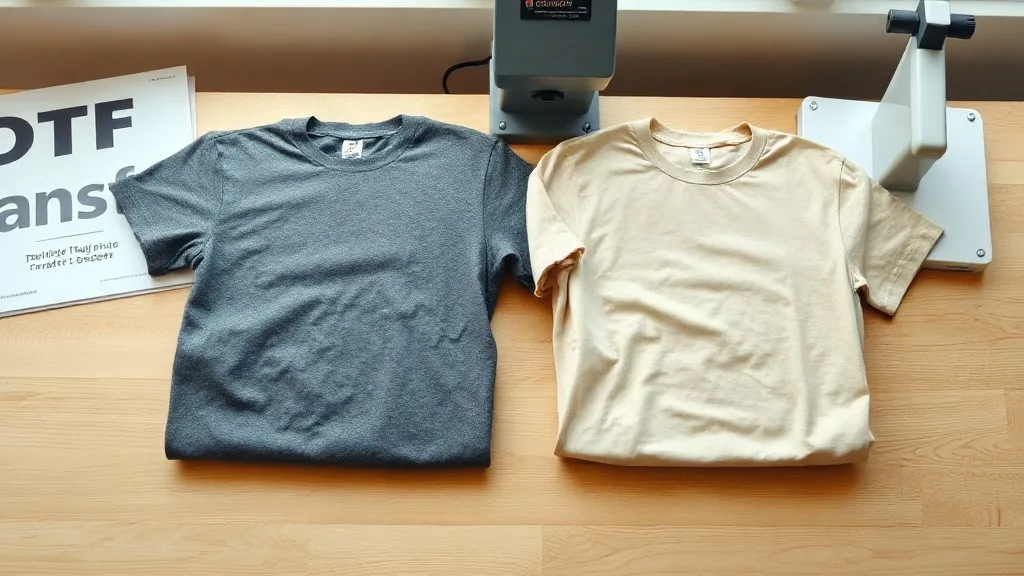
When you run a small print shop, the blank you choose can make or break a DTF job. Two names keep coming up in conversations among custom apparel makers: shaka wear and smart blanks. Both have loyal followings, but they serve different needs. This guide breaks down the real differences so you can stock the right blank for your customers and your bottom line.
Why the Blank Matters for DTF Printing
DTF transfers are only as good as the surface they land on. A blank with a tight weave and smooth finish helps the adhesive powder bond evenly, while a loose or heavily textured fabric can cause the transfer to sit unevenly or crack early. Beyond print quality, the blank affects how the garment feels, how it drapes, and how long it survives repeated washes. That is why experienced printers do not treat blanks as an afterthought. They test, compare, and settle on a few reliable styles that match their customers' expectations.
Shaka Wear: The Streetwear Workhorse
Shaka Wear has built a reputation for heavyweight, boxy cuts that appeal to streetwear brands and anyone who wants a substantial feel. Their tees and hoodies tend to run on the thicker side, often in the 6 to 7 ounce range for tees, with a smooth, tight knit that takes DTF transfers well. The fabric holds its shape after washing, which matters when you are selling a premium product.
Print Performance on Shaka Wear
In our tests, DTF transfers on Shaka Wear tees adhered cleanly with minimal ghosting. The tight weave prevented the adhesive from sinking into the fabric, so the print stayed crisp even on detailed designs. We did notice that darker colors, especially black and navy, required a slightly higher press temperature to get a smooth bond, but once dialed in, the results were consistent. The heavyweight fabric also handles large front and back prints without stretching or distorting the transfer.
Fit and Audience
Shaka Wear leans into a relaxed, modern silhouette. Their tees often have a wider body and a slightly dropped shoulder, which fits well with current streetwear trends. If your customers are into oversized looks or you are building a brand around urban aesthetics, this blank aligns naturally. The downside is that the same boxy cut may not suit customers looking for a slim or tailored fit.
Smart Blanks: The Versatile All-Rounder
Smart Blanks takes a different approach. Their lineup focuses on soft, mid-weight fabrics with a more traditional fit. The hand feel is noticeably softer out of the bag, and the fabric has a bit more stretch, which can be a plus for customers who prioritize comfort. The brand also offers a wide range of colors and sizes, making it easy to stock a consistent palette across different styles.
Print Performance on Smart Blanks
DTF transfers on Smart Blanks also performed well, though the softer fabric required a bit more care during pressing. Because the knit has more give, we found that using a pressing pillow and applying firm, even pressure helped avoid cold spots. The prints bonded securely and survived multiple wash cycles without cracking. For intricate designs with fine lines, the smoother surface of Smart Blanks actually gave a slightly sharper result than some heavier blanks.
Fit and Audience
Smart Blanks caters to a broader audience. Their fits are more standard, with a classic crew neck and a body that works for everyday wear. This makes them a safe choice for corporate orders, team uniforms, and retail customers who want a comfortable tee they can wear anywhere. The softer feel also appeals to people who are picky about fabric against the skin.
Head-to-Head Comparison
To make the choice clearer, here is how the two blanks stack up on the factors that matter most to DTF printers.
- Fabric weight: Shaka Wear is generally heavier, which gives a premium, durable feel. Smart Blanks is mid-weight and softer, better for everyday comfort.
- Print surface: Both are DTF-friendly, but Shaka Wear's tight weave holds fine details well, while Smart Blanks' smoother finish can produce slightly sharper edges on complex artwork.
- Fit: Shaka Wear offers a boxy, streetwear-oriented cut. Smart Blanks sticks to classic, versatile fits.
- Color range: Smart Blanks typically offers a wider palette, which helps with consistent branding. Shaka Wear focuses on core colors that suit its aesthetic.
- Price: Pricing varies by style and quantity, but Smart Blanks often comes in slightly lower on basic tees, while Shaka Wear commands a bit more for its heavier weight.
Which Blank Should You Stock?
There is no single winner. The right choice depends on your customers and the products you sell. If you are building a streetwear brand or catering to customers who want a substantial, fashion-forward tee, Shaka Wear is a strong pick. Its heavyweight fabric and boxy fit align with current trends and hold up well to large DTF prints.
On the other hand, if you serve a mix of corporate clients, sports teams, and retail shoppers who value softness and a classic fit, Smart Blanks offers flexibility and comfort. Its softer hand and broader color range make it easy to say yes to a wide variety of orders without stocking multiple blank brands.
Many shops we spoke to keep both on hand. They use Shaka Wear for premium streetwear drops and Smart Blanks for volume orders and everyday basics. That way, they can match the blank to the brief instead of forcing one style to fit every job.
Practical Tips for Switching Between Blanks
If you decide to stock both, a few adjustments to your DTF workflow will help you get consistent results.
- Dial in your press settings per blank. Heavier fabrics like Shaka Wear may need a slightly higher temperature or longer dwell time. Softer fabrics like Smart Blanks may need a pressing pillow and firm pressure to avoid uneven adhesion.
- Test wash durability. Run a few samples through a home wash cycle before committing to a large order. Check for cracking, peeling, or color fading.
- Label your samples. Keep a binder or digital folder with press settings and photos for each blank style. This saves time when training new staff.
- Ask your customers. If you sell wholesale, find out whether their end customers prefer a heavier or softer feel. Their feedback will guide your stocking decisions.
Frequently Asked Questions
Is Shaka Wear good for DTF printing?
Yes. Shaka Wear's tight knit and heavier weight provide a stable surface for DTF transfers. The prints adhere well and hold up to washing, especially when press settings are adjusted for the thicker fabric.
Are Smart Blanks suitable for high-detail DTF designs?
Absolutely. The smooth, soft surface of Smart Blanks can produce sharp, vibrant prints with fine details. Just be mindful of pressure and use a pressing pillow to ensure even adhesion across the softer fabric.
Which blank is more cost-effective for a small shop?
Smart Blanks often comes in at a lower price point for basic styles, which can help with margins on volume orders. However, Shaka Wear may justify a higher price because of its premium feel and durability, appealing to customers willing to pay more.
Can I mix Shaka Wear and Smart Blanks in the same order?
Yes, many suppliers allow mixed orders. Just keep in mind that press settings may differ, so you will need to adjust your workflow accordingly. Testing each blank type beforehand will help you avoid surprises.
How do I choose between Shaka Wear and Smart Blanks for my brand?
Consider your target audience and product positioning. If you are going for a streetwear vibe with oversized fits, Shaka Wear is a natural fit. If you need versatile, comfortable blanks for a broad customer base, Smart Blanks is a reliable choice. Many shops stock both to cover different needs.