
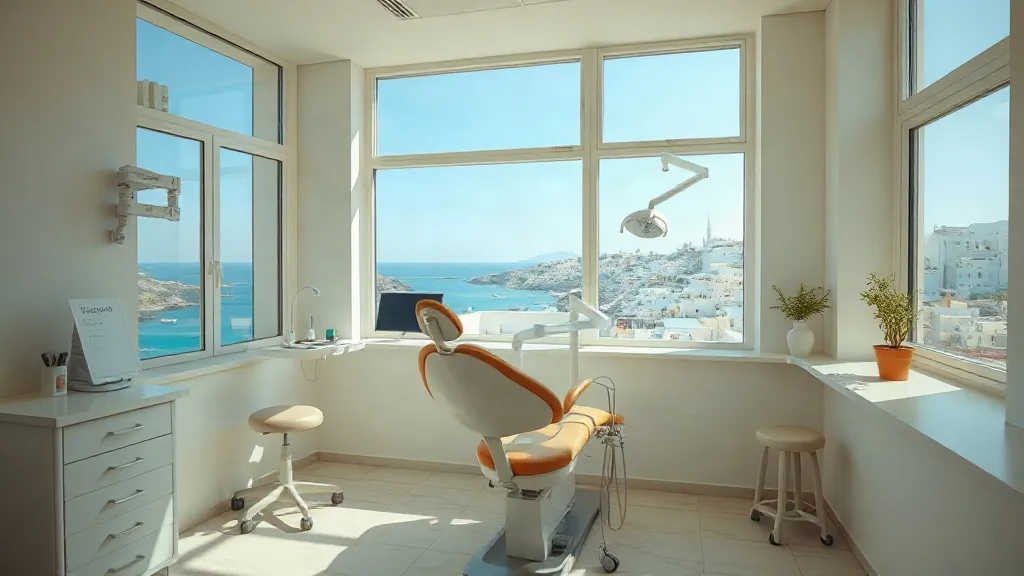
The first time you sit in a dental chair abroad, a lot runs through your head. Will the equipment look like the clinic back home? Does the dentist speak enough English to understand that the pain is on the upper left, not the lower right? And how do you know whether the price you were quoted over WhatsApp will still be the price at the end? These are the questions people actually ask when they start searching for a gumbet dentist, and they deserve honest answers rather than a sales pitch.
Gumbet sits just a short ride from Bodrum center, and the peninsula has quietly become a serious destination for dental work. That growth brings real choice, but also real variation in quality. This guide walks through what to check before booking, how treatment timelines usually work around a holiday, and how the neighboring resort areas compare.
Why the Bodrum Peninsula Attracts Dental Patients
Bodrum has a few practical advantages that have nothing to do with marketing. Flights from major European cities are frequent in season, accommodation ranges from budget apartments to boutique hotels, and the area is walkable enough that you can combine appointments with an actual holiday rather than a medical trip that feels like a chore.
Clinics in the region have adapted to this. Many now run on international patient workflows: online consultation forms, X-rays sent ahead by email, treatment plans with itemized pricing, and English-speaking coordinators. That infrastructure matters more than glossy photos. A clinic that can explain your treatment in writing before you book is usually a clinic that has done this many times.
What Gumbet Specifically Offers
Gumbet is compact. Most hotels, restaurants and shops sit within a short radius, and the beach is right there. For dental patients, the appeal is convenience: you can schedule a morning appointment, spend the afternoon recovering by the water, and keep the rest of your trip intact. The area also has a high concentration of clinics used to serving visitors, which means they understand that your time on the peninsula is limited.
How to Judge a Clinic Before You Book
Reviews help, but they are only a starting point. Anyone can collect five-star ratings, and the most useful reviews are usually the long, specific ones that mention a particular dentist, a particular procedure, or how a complication was handled. Read those, and read the negative ones for tone as much as content. A clinic that responds calmly and constructively to criticism is telling you something.
Beyond reviews, ask these questions directly:
- Who will perform the treatment, and what are their qualifications and specialties?
- Is there a written treatment plan with a full cost breakdown before I commit?
- What sterilization protocols are used, and can I see the sterilization area?
- What happens if a crown breaks or an implant fails after I fly home? Is there a warranty, and how is it honored?
- Which languages does the clinical team speak, not just the front desk?
That last point is underrated. A coordinator who speaks fluent English is helpful, but the person holding the drill needs to understand you when you say the numbness is wearing off. Ask to speak with the dentist during the online consultation, even briefly.
Red Flags Worth Taking Seriously
Be cautious with quotes that arrive instantly and look dramatically lower than everything else you have seen. Dentistry has real material costs, and a price that seems impossible usually means cheaper materials, a rushed timeline, or extras added later. Also be wary of any clinic that discourages you from getting a second opinion or pressures you to book before you have seen a written plan.
Planning Treatment Around a Holiday
Timing is where most disappointment happens. A single filling, a cleaning, or a whitening session can fit neatly into a week. A crown typically needs two visits separated by several days for the lab work. Implants are a different story: the placement is one stage, but healing and the final restoration often span months, which means either multiple trips or a plan coordinated with a dentist at home.
If your trip is short, be realistic. Ask the clinic to confirm in writing how many appointments your treatment requires and on which days. If the answer involves "we will see," treat that as a warning. Good clinics know their lab turnaround times and schedule accordingly.
What a Realistic Day Looks Like
Most people book a morning slot, arrive early to complete paperwork and imaging, and are out within a couple of hours for straightforward procedures. Bring your previous X-rays if you have them, a list of medications you take, and any relevant medical history such as diabetes, heart conditions, or bleeding disorders. These details change treatment decisions, and volunteering them upfront saves everyone time.
Comparing Gumbet and Bitez
Bitez sits a little further west along the coast, quieter and greener, with a long curved bay that appeals to families and people who want a slower pace. Dental visitors sometimes prefer it for exactly that reason: less noise, easier parking, and a calmer recovery. Clinics in the area tend to be smaller, and many patients find the experience more personal. If you are weighing locations, looking into a bitez dentist is worthwhile, particularly if you want to combine treatment with a low-key stay rather than a busy resort.
Practically, the two areas are close enough that the choice often comes down to where you are sleeping rather than where you are treated. A twenty-minute drive separates them in normal traffic. What matters far more is the clinic itself: its hygiene standards, the experience of the dentist, and how clearly it communicates.
Costs, Expectations and Honest Trade-offs
Prices across the peninsula vary, and quoting a single figure would be misleading because treatment needs differ so much. What you can do is compare like with like. Ask each clinic for an itemized quote covering the procedure, materials, imaging, medication, and any follow-up visits. Then compare the totals. A quote that looks cheaper but excludes X-rays or a temporary crown is not actually cheaper.
Currency matters too. Ask whether the price is fixed in euros, pounds or lira, and whether it is locked at the time of booking. Exchange rate movement between your consultation and your appointment can change the real cost, and a clinic that locks the price in your currency is offering meaningful reassurance.
Finally, budget for the possibility of a second trip. It will not happen in most cases, but if you are choosing between a cheap option with vague aftercare and a slightly pricier one with a clear warranty and a named contact for follow-up, the second is usually the better deal over the long run.
Frequently Asked Questions
Is it safe to get dental treatment in Gumbet as a tourist?
Yes, provided you choose carefully. Turkish clinics that serve international patients are generally regulated and many hold accreditation or work with dentists trained in Europe. The key is verifying qualifications, asking about sterilization procedures, and insisting on a written treatment plan before any work begins.
How many days should I stay for a crown or bridge?
Plan for at least five to seven days. Crowns and bridges typically require an initial preparation visit, a few days for the laboratory to fabricate the restoration, and a fitting appointment. Some clinics offer faster turnaround with in-house labs, but confirm this in writing rather than assuming.
Can I get a same-day appointment in Bodrum during peak season?
Sometimes, especially for cleanings or emergency pain relief, but July and August are busy. Booking two to four weeks ahead is safer. If you are traveling specifically for treatment, schedule your first appointment early in your trip so there is room to adjust if something needs a second visit.
What should I do if a problem appears after I return home?
Contact the clinic immediately and ask for your treatment records, including X-rays and notes, so a local dentist can assess the issue. Reputable clinics provide these without hesitation and will discuss remedies, whether that means a remote consultation, a repair on your next visit, or a partial refund depending on the warranty terms.
Do clinics in Gumbet and Bitez speak English?
Most clinics serving visitors have English-speaking coordinators, and many dentists speak English as well. Confirm during your first contact that the treating dentist, not only the reception staff, can communicate in your language. For complex treatment, this is not a detail you want to leave to chance.