
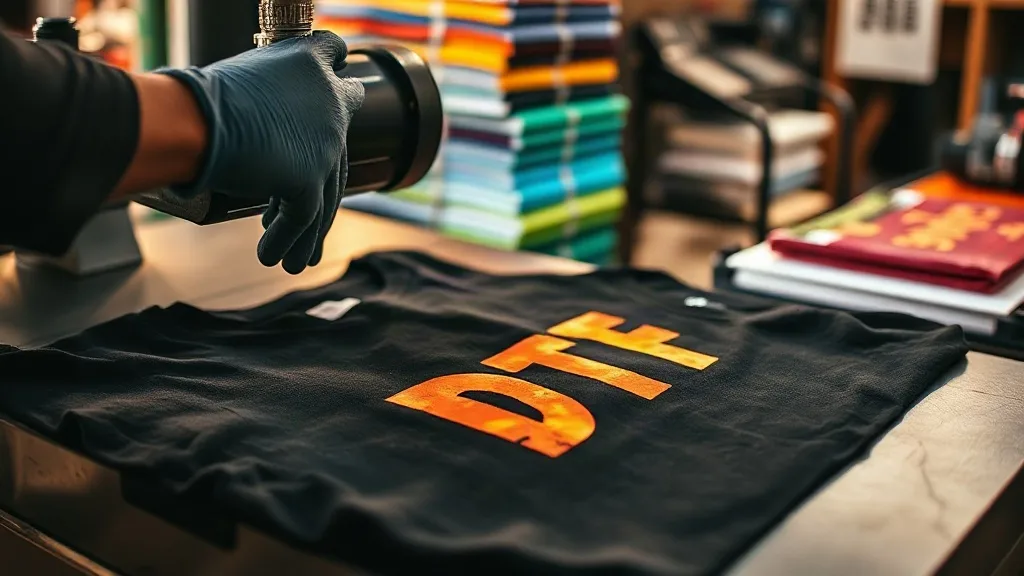
You've probably seen it: a customer sends back a shirt because the print cracked after two washes, or you pull a transfer off the press and the edges curl like a dead leaf. These aren't just annoyances; they're profit killers. In DTF printing, small oversights can lead to big losses. After years of running a print shop and testing countless dtf transfers, I've seen the same mistakes repeat across the industry. Here are the seven most costly ones and how to avoid them.
1. Ignoring Fabric Compatibility
DTF transfers are versatile, but they're not magic. Some fabrics just don't play nice. For example, nylon and certain synthetics repel the adhesive, causing the transfer to peel. I once watched a shop owner try to press a DTF transfer onto a waterproof jacket; it looked fine until the customer wore it in the rain and the design slid off. The fix? Always test a small area first. And know your fabrics: cotton, polyester, and blends work well, but treat nylon, silk, and coated materials with caution.
2. Skipping the Pre-Press
You wouldn't paint over a dirty wall, right? The same goes for DTF. Pre-pressing the garment removes moisture, wrinkles, and debris. Skipping this step is like trying to stick tape to a dusty surface. I learned this the hard way when a rush order of 50 shirts came back because the transfers started lifting at the corners. Now, I always pre-press for 5-10 seconds at the recommended temperature. It's a small step that saves big headaches.
3. Using the Wrong Pressure
Pressure is a Goldilocks situation: too little, and the transfer won't adhere; too much, and the adhesive oozes out, creating a mess. Each heat press is different, so you need to find your sweet spot. I recommend starting at medium pressure and adjusting based on results. A good test is to press a transfer and then check the edges: if they're lifting, increase pressure slightly; if the design looks flattened or the adhesive is visible around the edges, reduce it.
4. Neglecting the Peel Test
You've pressed the transfer, it looks great, and you hand it to the customer. But have you done a peel test? This simple step involves peeling the transfer after it cools (or while warm, depending on the film) to ensure it's bonded properly. Skipping this is like shipping a product without quality control. I always peel a corner of a test piece to check adhesion. If it comes off easily, something's wrong: maybe temperature, pressure, or time. Fix it before you waste more blanks.
5. Ignoring Storage Conditions
DTF transfers are sensitive to their environment. Humidity, heat, and sunlight can degrade the adhesive and cause the film to warp. I've seen shops store transfers in a damp basement, only to find them unusable a month later. Store them in a cool, dry place, away from direct sunlight, and keep them in their original packaging until use. Also, avoid stacking heavy objects on top, as this can damage the film.
6. Overlooking Color Management
You've designed a vibrant logo, but the printed transfer looks dull or off-color. That's often a color management issue. DTF printers require ICC profiles and proper color settings to reproduce colors accurately. Ignoring this leads to disappointed customers and reprints. I invested in a colorimeter and calibrated my printer regularly; it made a huge difference. Also, always print a test swatch before a big order to ensure colors match expectations.
7. Rushing the Curing Process
After printing, the transfer needs to cure properly. Rushing this step can result in transfers that crack or fade prematurely. Follow the manufacturer's recommendations for curing time and temperature. I've seen shops try to speed up the process by increasing temperature, only to end up with brittle transfers. Patience here pays off in durability.
Frequently Asked Questions
How do I know if my DTF transfer is properly cured?
A properly cured transfer feels smooth and flexible, not tacky. You can also do a stretch test: gently stretch the transfer; if it cracks, it's under-cured. Always follow the powder shake and cure guidelines from your supplier.
Can I use DTF transfers on dark shirts?
Yes, DTF transfers work on dark fabrics because they include a white ink layer. However, you need to ensure the white layer is sufficiently opaque. Test on a dark scrap first to avoid surprises.
What's the best way to store unused DTF transfers?
Keep them in a cool, dry place, ideally in a sealed bag or container to protect from humidity. Avoid folding or creasing the transfers, as this can damage the adhesive.
Why are my DTF transfers peeling after washing?
Peeling usually indicates insufficient pressure, incorrect temperature, or inadequate curing. Revisit your press settings and ensure you're following the recommended parameters for your specific transfer and fabric.
How can I prevent color fading in DTF prints?
Use quality inks and proper color profiles, and ensure the transfer is fully cured. Also, advise customers to wash garments inside out in cold water and avoid harsh detergents.