
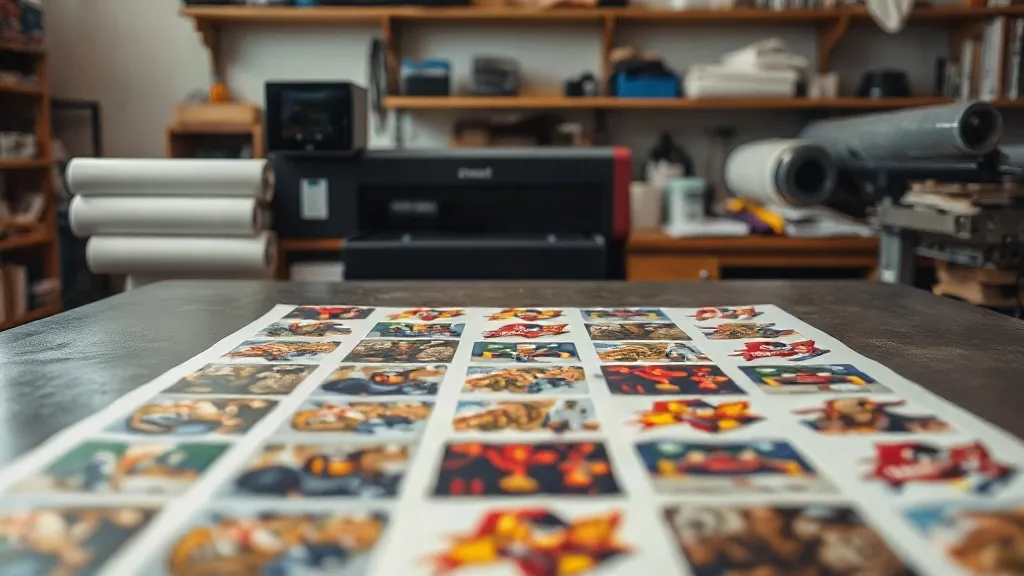
Walk into any busy print shop and you will notice the same quiet problem sitting on the workbench: a half-used roll of DTF film, a few stray designs waiting for a home, and a job ticket that promises a deadline in two hours. Somewhere between the design files and the heat press, money leaks out. Not in big, dramatic bursts, but in the little gaps that add up over a week, a month, a year. The DTF Gangsheet is one of the simplest tools for plugging those leaks, and yet plenty of shop owners still treat it as an afterthought.
This is not a technical manual on how to build a gangsheet. It is a practical look at why the gangsheet deserves a fixed place in your production routine, how it changes the way you price work, and where most shops leave money on the film without realizing it.
What a DTF Gangsheet Actually Does for a Shop
At its core, a DTF Gangsheet is a single sheet of film that holds multiple designs laid out together, printed in one pass. Instead of sending one small logo through the printer on its own sheet, you group several jobs, sizes, and repeats onto one larger canvas. The printer runs once. The powder shakes once. The film cures once.
The obvious benefit is speed. But the deeper benefit is economics. Every time you start a print run, you pay a fixed cost in film, powder, ink, and labor, regardless of how small the design is. A gangsheet spreads that fixed cost across many designs, so the per-unit cost drops sharply.
The math most shops never run
Imagine you print a single 3-inch chest logo for a small order of ten shirts. If that logo runs alone on its own sheet, you are paying for a full sheet of film to produce a design that occupies a tiny fraction of it. Now imagine the same logo placed on a gangsheet alongside a sleeve print, a back design, and a handful of reorders. The film cost per design falls, the powder use per design falls, and the labor time per design falls.
Run that comparison across a hundred orders and the difference is no longer a rounding error. It is margin.
Why the Gangsheet Belongs in Your Pricing Conversation
Most pricing advice for DTF focuses on the sticker price of the transfer or the cost of the blank. That is only half the story. The gangsheet is where a shop can quietly build a buffer into its numbers without raising prices on customers.
- Lower cost per design means you can hold your retail price steady while your internal cost goes down.
- Faster turnaround means you can take on more jobs in the same week, which raises revenue without adding equipment.
- Less waste means fewer surprise reprints and fewer film scraps thrown in the bin.
When you quote a job, ask yourself whether that design could ride along on an existing gangsheet run instead of triggering a fresh one. Often it can. A small reorder that would normally sit alone on a sheet can be tucked into the corner of a larger job that is already scheduled. The customer sees the same quality. You see a better margin.
A simple habit that pays off
Keep a running list of small, low-priority jobs that are waiting for a slot. Whenever a larger gangsheet run is scheduled, sweep those small jobs onto it. This one habit alone can turn a stack of annoying single-design orders into a tidy, profitable batch.
Where Shops Waste Film Without Noticing
Film waste is sneaky. It does not announce itself. It hides in the gaps between designs, in oversized margins, and in the habit of printing one design per sheet out of convenience.
Three common culprits stand out:
- Loose nesting. Designs placed far apart on the sheet with no thought to shared edges waste film on every run.
- One-design runs. Printing a single small logo on its own sheet is the most expensive way to produce a transfer.
- No batch planning. When jobs are printed as they arrive rather than grouped into scheduled runs, the film never gets used efficiently.
The fix is not complicated. It is a matter of planning a gangsheet the way you plan a cutting layout, with an eye on every square inch. Rotate designs to fit tighter. Group small items into corners. Line up repeats so the sheet reads like a puzzle that has been solved.
Matching Gangsheet Layout to Customer Expectations
Efficiency matters, but it cannot come at the cost of the finished product. A gangsheet that is packed too tightly can cause designs to bleed into each other, cure unevenly, or press with inconsistent pressure. The shop that wins long term is the one that balances density with quality.
Here is a working rule: leave enough breathing room between designs that the powder application stays clean, but not so much that you are paying for empty film. The sweet spot is different for every shop, and you find it by running a few test sheets and comparing the finished transfers side by side.
Watch the fabric, not just the film
A gangsheet can hold designs headed for very different garments. A cotton tee, a poly blend, and a canvas tote may all be on the same sheet, but they press differently. Keep track of which design goes to which fabric, and make sure your press settings are dialed in for each. The gangsheet is efficient, but it does not remove the need to know your materials.
The Turnaround Advantage Nobody Talks About
Customers do not usually ask how you produce a transfer. They ask when it will be ready. A shop that runs gangsheets on a schedule can often promise same-day or next-day turnaround on small orders, because those orders are riding along on a larger run rather than waiting their turn in the queue.
That speed becomes a selling point. A customer who needs twenty shirts for a weekend event will remember the shop that delivered in a day. That memory is worth more than the few dollars saved on film.
Building a Gangsheet Routine That Sticks
The shops that get the most out of gangsheets are not the ones with the fanciest equipment. They are the ones with a routine. A simple weekly rhythm works well:
- Collect all pending small jobs and reorders into a single list.
- Group them by fabric and by size so pressing stays consistent.
- Schedule at least one gangsheet run per week, even if it is a small one.
- Review the sheet after pressing to catch any layout issues before the next run.
Once the routine is in place, the gangsheet stops feeling like extra work and starts feeling like the default way to print. That shift is where the real gains show up.
Frequently Asked Questions
Is a DTF Gangsheet worth it for very small orders?
Yes, especially for small orders. Small designs are exactly where single-sheet printing wastes the most film. Grouping several small orders onto one gangsheet is the fastest way to bring the per-unit cost down.
Can I mix different designs and sizes on the same gangsheet?
You can, and most busy shops do. The key is to keep the layout organized so you can track which design belongs to which job, and to make sure pressing settings match the fabrics those designs will land on.
How tight should the designs be packed on a gangsheet?
Tight enough to reduce wasted film, but loose enough that powder application and curing stay clean. Run a few test sheets at different densities and compare the finished transfers before settling on a standard for your shop.
Does using a gangsheet change the quality of the finished transfer?
Not when it is done properly. Quality depends on ink, powder, cure, and press settings. The gangsheet only changes how designs are arranged on the film, not how well each one prints.
How often should a shop run a gangsheet?
Many shops schedule at least one run per week, with additional runs during busy seasons. The right frequency depends on order volume, but a consistent schedule makes it easier to batch small jobs and keep turnaround fast.
The gangsheet is not a gimmick or a shortcut. It is a practical tool that rewards planning. Shops that treat it as a core part of production tend to spend less on film, move faster on small orders, and keep more of what they earn. That is a quiet advantage, but it is the kind that compounds.