
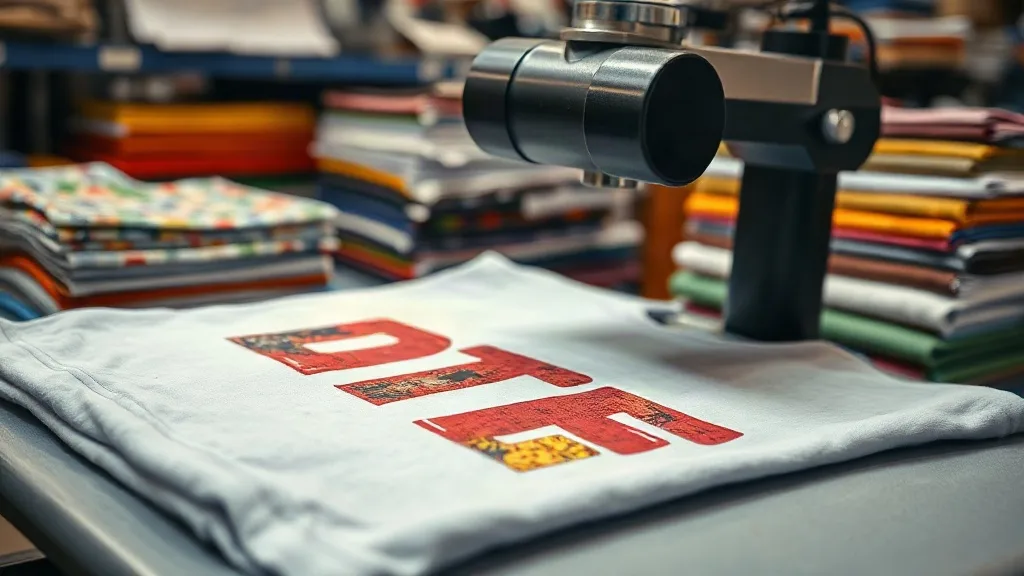
When a customer walks into your shop with a fabric you have never printed on before, do you feel a pang of uncertainty? Maybe it is a stretchy polyester blend, a canvas tote, or a moisture-wicking jersey. Traditional printing methods often force you to compromise: vinyl feels heavy, screen printing struggles with small details, and sublimation only works on light polyester. That is where dtf transfers change the game. Direct-to-film printing has quietly become the go-to solution for shops that want to say yes to every job without sacrificing quality. In this guide, we will unpack why DTF works on virtually any fabric, how to avoid common pitfalls, and the small adjustments that separate a good print from a flawless one.
Why DTF Transfers Work on Fabrics That Break Other Methods
The magic of dtf lies in its adhesive layer. Unlike sublimation, which requires the ink to bond with polyester molecules, DTF uses a thermoplastic polyurethane (TPU) powder that melts into the fabric fibers. This mechanical bond means the print adheres to cotton, polyester, nylon, silk, leather, and even blends that contain spandex. The result is a soft, stretchable print that moves with the garment. For shop owners, this versatility means you can stock one transfer type and use it across your entire product line. No more juggling multiple inks or ordering special vinyl for every new fabric that comes through the door.
Cotton and Cotton Blends
Cotton is the most common apparel fabric, and DTF handles it beautifully. The key is to manage moisture. Cotton absorbs water from the air, and if the fabric is damp, the powder will not adhere properly. Always pre-press the garment for a few seconds to remove moisture before applying the transfer. For blends like 50/50 cotton-poly, you get the best of both worlds: the softness of cotton and the durability of polyester. Just be mindful of heat settings. Too much heat can cause the polyester fibers to melt or shine, so use a lower temperature (around 300°F) and a longer press time.
Polyester and Synthetic Fabrics
Polyester is where DTF truly shines. Unlike sublimation, which requires a light-colored polyester base, DTF can print on dark colors and synthetics without any dye migration issues. However, polyester is sensitive to heat. If you press at too high a temperature, the fabric can scorch or develop a glossy sheen. Use a heat press with accurate temperature control and consider a lower temp (285–300°F) with a slightly longer dwell time. Also, pre-press polyester garments to remove any sizing or wrinkles. A Teflon sheet or protective paper on top of the transfer during pressing can prevent the TPU from sticking to the upper platen.
Specialty Fabrics: Nylon, Leather, and More
Nylon and leather are notorious for being difficult to print. Nylon tends to repel inks, and leather can be damaged by high heat. DTF overcomes these challenges because the adhesive bonds mechanically rather than chemically. For nylon, use a lower temperature (275–290°F) and press for 15–20 seconds. Leather requires even more caution: test on a scrap piece first, and use a protective sheet to avoid scorching. Canvas and denim also take DTF well, but the textured surface may require a slightly higher pressure to ensure the transfer sinks into the weave. In every case, a quick test press on a hidden area will save you from costly mistakes.
The Role of the Blank in Flawless DTF Printing
Even the best transfer can fail on a poor-quality blank. The fabric's weave, weight, and finish all influence how the print looks and lasts. For example, a lightweight, loosely woven tee may allow the transfer to sink in too much, causing a textured look. Conversely, a tightly woven, heavyweight fabric provides a smooth canvas that makes colors pop. This is why many shops standardize on trusted blank brands like Shaka Wear and Smart Blanks. These blanks are consistent in weight and finish, which means you can dial in your press settings once and repeat them job after job. Consistency is the unsung hero of a profitable print shop.
Choosing Blanks That Complement DTF
When selecting blanks for DTF, look for 100% cotton or cotton-rich blends with a tight knit. Ringspun cotton offers a smooth surface that enhances detail. Avoid fabrics with heavy sizing or silicone finishes, as these can prevent the adhesive from bonding. Also, consider the color. While DTF works on darks, a white underbase is not needed, so the print will have a slightly different feel on dark fabrics compared to light ones. Testing a few swatches from your preferred supplier will help you build a reference library of settings for each fabric type.
Step-by-Step: Achieving a Flawless DTF Transfer
Even experienced shops can get inconsistent results if they skip steps. Here is a reliable workflow that minimizes errors and ensures repeatability.
- Pre-press the garment: This removes moisture and wrinkles. Use a pressing pillow for seams and zippers.
- Position the transfer: Place the transfer on the garment with the printed side up. Use heat-resistant tape if needed.
- Press: Set your heat press to the recommended temperature for the fabric (usually 300–320°F for cotton, lower for polyester). Use medium pressure and press for 10–15 seconds.
- Peel: Wait a few seconds for the transfer to cool slightly, then peel the film in a smooth, continuous motion. Peeling while hot can stretch the print; peeling too cold can cause the adhesive to tear.
- Post-press: Cover the print with a Teflon sheet or parchment paper and press again for 5–10 seconds to set the adhesive into the fibers. This step is often skipped but is crucial for wash durability.
Following these steps will give you a print that survives dozens of washes without cracking or fading. Remember, the post-press is not optional if you want professional-grade results.
Common Mistakes That Ruin DTF Prints (and How to Avoid Them)
Even with the right equipment, small errors can lead to big problems. Here are the most frequent culprits and their fixes.
- Insufficient pressure: If the transfer does not fully contact the fabric, the adhesive will not bond. Use a pressure that is firm but not so heavy that it flattens the fabric. A good rule of thumb: you should see a slight indentation in the fabric after pressing.
- Wrong temperature: Too hot and the film can melt or the fabric can scorch; too cold and the adhesive will not activate. Invest in a heat gun or infrared thermometer to verify your press's actual temperature.
- Peeling too early or too late: Follow the manufacturer's recommendation. Most DTF transfers are designed for hot peel, but some require cool peel. Test a small batch to confirm.
- Ignoring fabric moisture: Always pre-press to remove moisture, especially on natural fibers. A damp garment will cause the powder to clump and the print to fail.
- Using the wrong transfer for the fabric: While DTF is versatile, some specialty fabrics like certain nylons or coated materials may require a specific low-temperature transfer. When in doubt, ask your supplier.
By addressing these issues upfront, you will reduce waste and keep your customers happy.
Finding Reliable DTF Transfers Near You
If you are tired of ordering transfers from overseas and waiting weeks for delivery, it is time to look for dtf transfers near me. Local suppliers offer faster turnaround, lower shipping costs, and the ability to build a relationship with someone who understands your business. Plus, you can often get samples to test before committing to a large order. When evaluating a supplier, ask about their ink quality, powder application, and consistency. A good supplier will provide technical support and stand behind their product. For shops that want to scale, having a reliable local source is a game-changer.
Frequently Asked Questions About DTF Transfers
Can DTF transfers be applied to 100% polyester?
Yes, DTF works well on polyester, but you need to adjust your press settings. Use a lower temperature (around 285–300°F) to avoid scorching or dye migration. Pre-press the garment to remove moisture and always do a test press on a scrap piece to dial in the perfect settings.
How do I wash a garment with a DTF transfer?
Turn the garment inside out and machine wash cold with mild detergent. Avoid fabric softeners and bleach. Tumble dry low or hang dry. Do not iron directly on the print. Following these care instructions will extend the life of the transfer significantly.
What is the difference between DTF and sublimation?
Sublimation requires polyester fabric and light colors because the ink bonds with the polyester molecules. DTF uses an adhesive that bonds to the fabric surface, so it works on cotton, blends, dark colors, and even nylon or leather. DTF is more versatile but may have a slightly thicker hand feel.
Can I use DTF transfers on leather?
Yes, but with caution. Leather is sensitive to heat, so use a low temperature (around 275°F) and a short press time. Always test on a hidden area first and use a protective sheet to prevent scorching. The result is a durable, vibrant print that adheres well.
How long do DTF transfers last?
When applied correctly and cared for properly, DTF transfers can last 50 washes or more without fading or cracking. The key is proper application: sufficient pressure, correct temperature, and a post-press to set the adhesive. Following the care instructions will ensure longevity.